Will a 30-Inch Door Fit in a 32-Inch Opening? A Guide for Normandy Park Homeowners
The answer depends on which 32 inches you measured, and a few minutes with a tape measure will tell you.
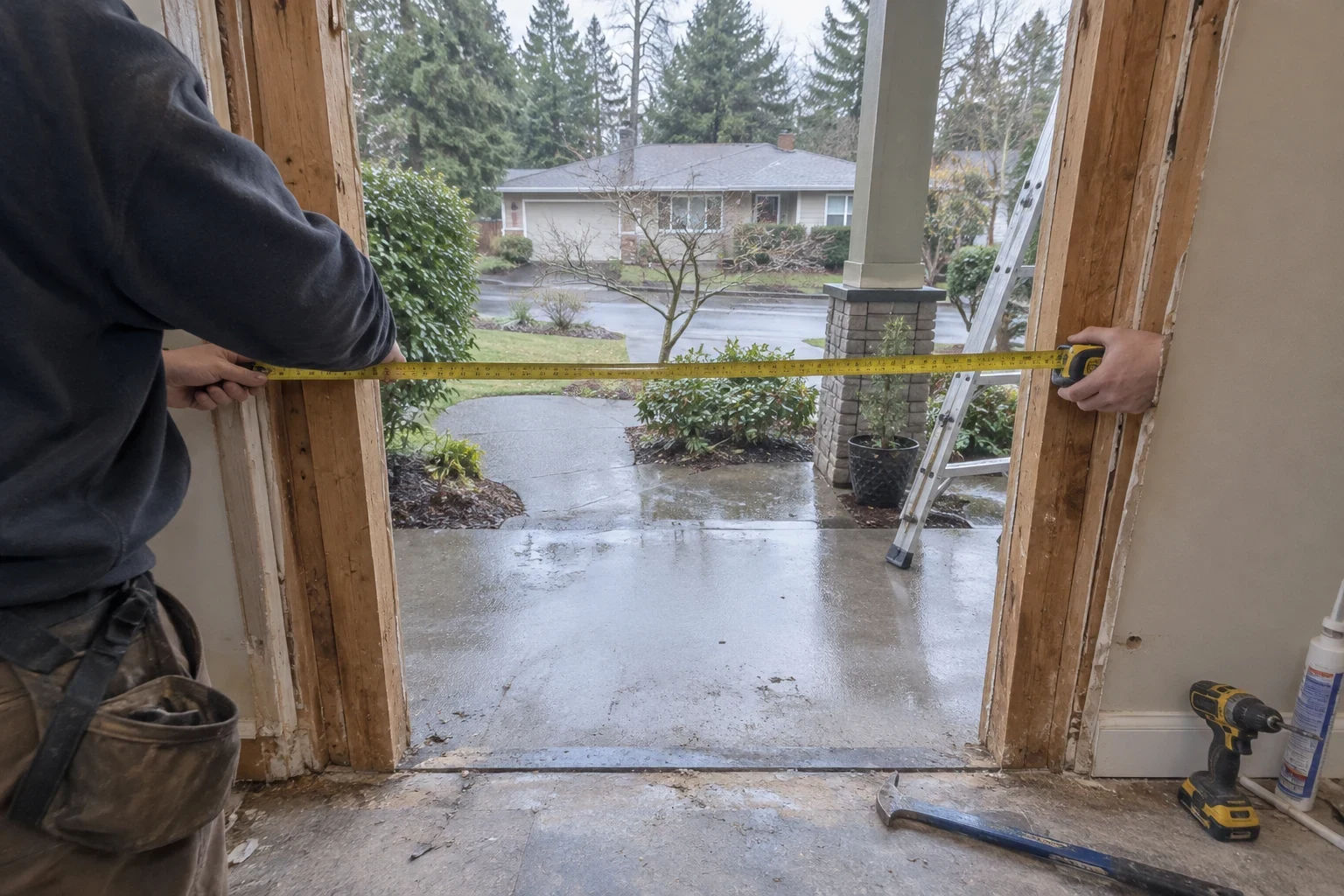
Will a 30 in door fit in a 32 in opening?
Yes, if the 32 inches is the rough opening in the framing. A standard 30-inch prehung door is built to fit a rough opening about 32 inches wide, which leaves room for the jambs and shims. If 32 inches is the space between your existing jambs, a 30-inch door alone will leave gaps and needs more work.
Which 32 inches did you measure?
Door sizes are a little confusing because three different numbers get called the door's width. A 30-inch door means the slab itself, the part that swings, is 30 inches wide. The frame around it adds roughly an inch on each side, so the whole prehung unit is a bit over 31 inches wide.
That unit then sits in the rough opening, the gap between the wall studs. Builders leave about half an inch of extra room so the frame can be shimmed plumb and square. Add it up and a 30-inch door lands right around a 32-inch rough opening. That is the match it was designed for.
- Slab width: the door panel itself. A 30-inch door is 30 inches here.
- Finished opening: the space between the inside faces of the jambs, roughly the slab width plus a small gap for clearance.
- Rough opening: the framed hole in the wall, usually about 2 inches wider than the slab.
- If your 32 inches is the rough opening, a 30-inch prehung door is the standard fit. If it is the finished opening, you likely have a 32-inch door now.
How do I measure my door opening correctly?
If you are replacing an existing door, start by measuring the old slab. That is often the quickest way to know what you have. A slab that measures 32 inches across means the opening was built for a 32-inch door, and dropping in a 30-inch one is not a simple swap.
To see the true rough opening, you need to look past the trim. Pulling back the interior casing on one side shows you the jamb and the stud behind it, and you can measure from stud to stud. Most people would rather not pull trim on a guess, which is one reason we measure in person before anything is ordered.
- Measure the width at the top, middle and bottom. Use the smallest number.
- Measure the height on both sides and in the middle.
- Check the sill or floor with a level. Older homes often settle, and an out-of-level floor changes what will fit.
- Note the wall thickness. Jamb depth has to match it, or the trim will not sit flat.
What if my opening is 32 inches between the jambs?
Then you have a 32-inch door today, and a 30-inch door leaves about 2 inches to fill. It can be done, but filling that space with extra shims and caulk is not the answer, especially on an exterior door. Our long, wet stretch from fall through spring finds every weak seam, and a wide caulk joint is one of the first places water gets behind the trim.
The right way is to build the opening down. That means adding a properly fastened strip of lumber to one or both sides of the framing, then setting a new 30-inch prehung unit, then trimming it out so it looks like it was always there. On the outside, the siding or exterior trim may need small adjustments to close the gap cleanly. If the framing change touches a structural wall, we check with the city on whether a permit is needed before we start.
Often the simpler choice is just to stay with a 32-inch door. It keeps the wider passage, avoids reframing and usually costs less in labor. We will tell you plainly which route makes more sense for your doorway.
Does the same rule apply to patio and storm doors?
The idea is the same, but the numbers work differently. Patio doors are sold by the size of the whole unit, so a sliding door listed at 72 inches is about 72 inches across the frame, and the rough opening is usually only about half an inch larger. There is no 2-inch rule here, so measure the rough opening and match the unit to it.
Storm doors are measured another way again. They mount to the outside of your entry door's frame, so the size that matters is the space between the exterior trim on each side. A 30-inch storm door will not cover a 32-inch entry opening. If your entry door is 32 inches, you need a storm door made for that width.
What happens when you call us about a door that might not fit
One person handles your job from the first call to the last sweep of the floor. That same person comes out, measures the rough opening and the slab, checks the floor and wall depth, and explains what will fit and what it would take to change the size. You are not passing your measurements from a salesperson to an installer and hoping nothing gets lost in between.
We offer free, no-pressure quotes, so there is no cost to find out where you stand. If you go ahead, we order the right unit, set the install date with you and protect your floors during the work. Most installs are finished in a single day, and we clean up before we leave. Flexible payment options are available if you would like to spread out the cost.
More questions about door widths
Something not covered here? (206) 222-6377
Is a 30-inch door wide enough for a wheelchair or walker?
A 30-inch door leaves a clear passage of roughly 28 inches once it is open, which is tight for many wheelchairs. If someone in your home uses one, a 36-inch door is the usual choice, and we can talk through widening the opening.
Can I just trim a 32-inch door down to 30 inches?
Not much. Most exterior doors, especially steel and fiberglass, allow only a small amount of trimming before you cut into the frame or the weather seal. Taking off 2 inches is a job for a properly sized new door.
Do I need a permit to replace a door?
Replacing a door in the same opening usually does not change the framing. Making the opening narrower or wider is different, and we check with the city before that kind of work begins.
Can a 30-inch door replace a 32-inch door on an interior closet?
Yes, using the same build-down approach, though sealing matters less indoors. Many people still keep the 32-inch size because it saves reframing and trim work.
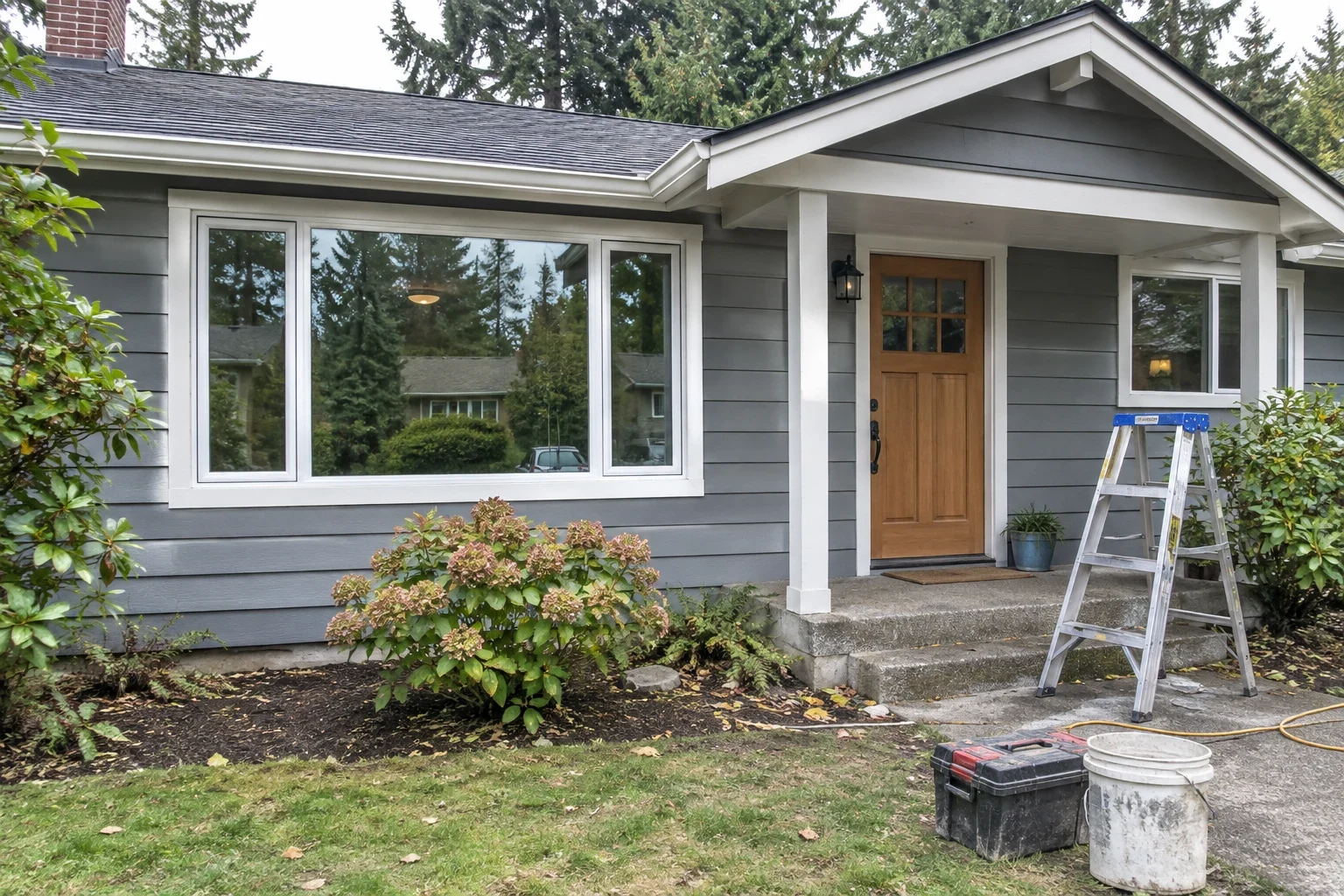
Not sure what size your doorway really is?
Call and you get a free, no-pressure consultation. We come out, measure the opening and the old door, and tell you what will fit and what it takes. One person answers your questions and handles the job from estimate to cleanup.