ServicesEntry Doors
Entry Doors in Normandy Park
A front door should close with one easy push, lock without a fight and keep the wind outside. We replace worn entry doors with new fiberglass, steel or wood units, and one person stays with your project from the first measurement to the final sweep.
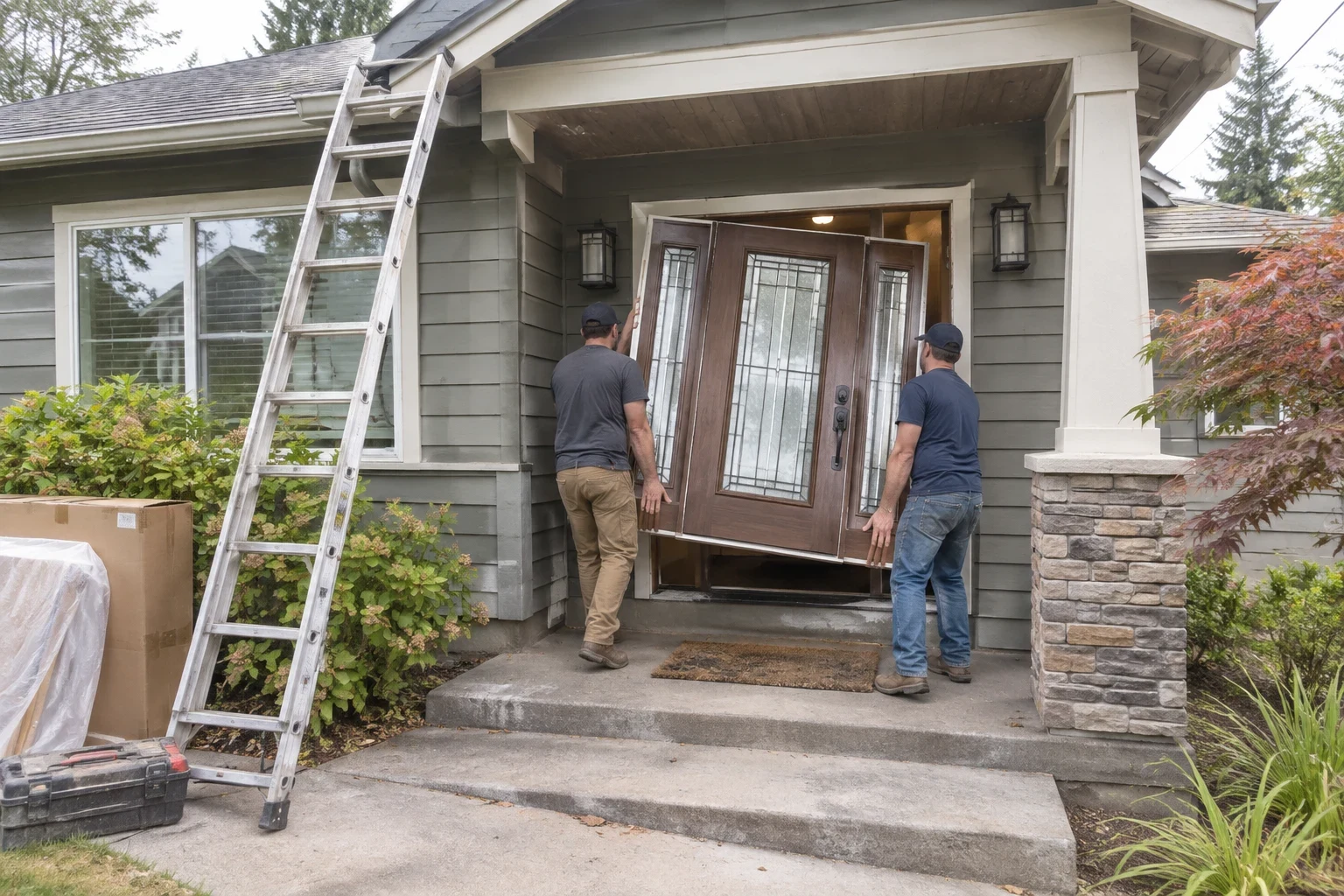
A front door that closes tight and locks cleanly
Your entry door works harder than almost anything else on your home. It opens dozens of times a day, takes the weather head-on and holds the lock that keeps everyone inside safe. When the frame has shifted or the bottom of the jamb has gone soft, tightening hinges only buys a few weeks. That is usually the point where a new door, hung in a new frame, is the right call.
We install fiberglass, steel and wood entry doors, with or without sidelites and transoms. The person who measures your opening is the same person you call about the order, the install date and anything that comes up later. We are licensed, insured and bonded, and we treat your entryway with the care we would want at our own front step.
If your door is sound and only the weatherstripping or hardware has worn out, we will tell you that plainly. Sometimes an adjustment or a storm door is the better answer, and we are happy to point you there.
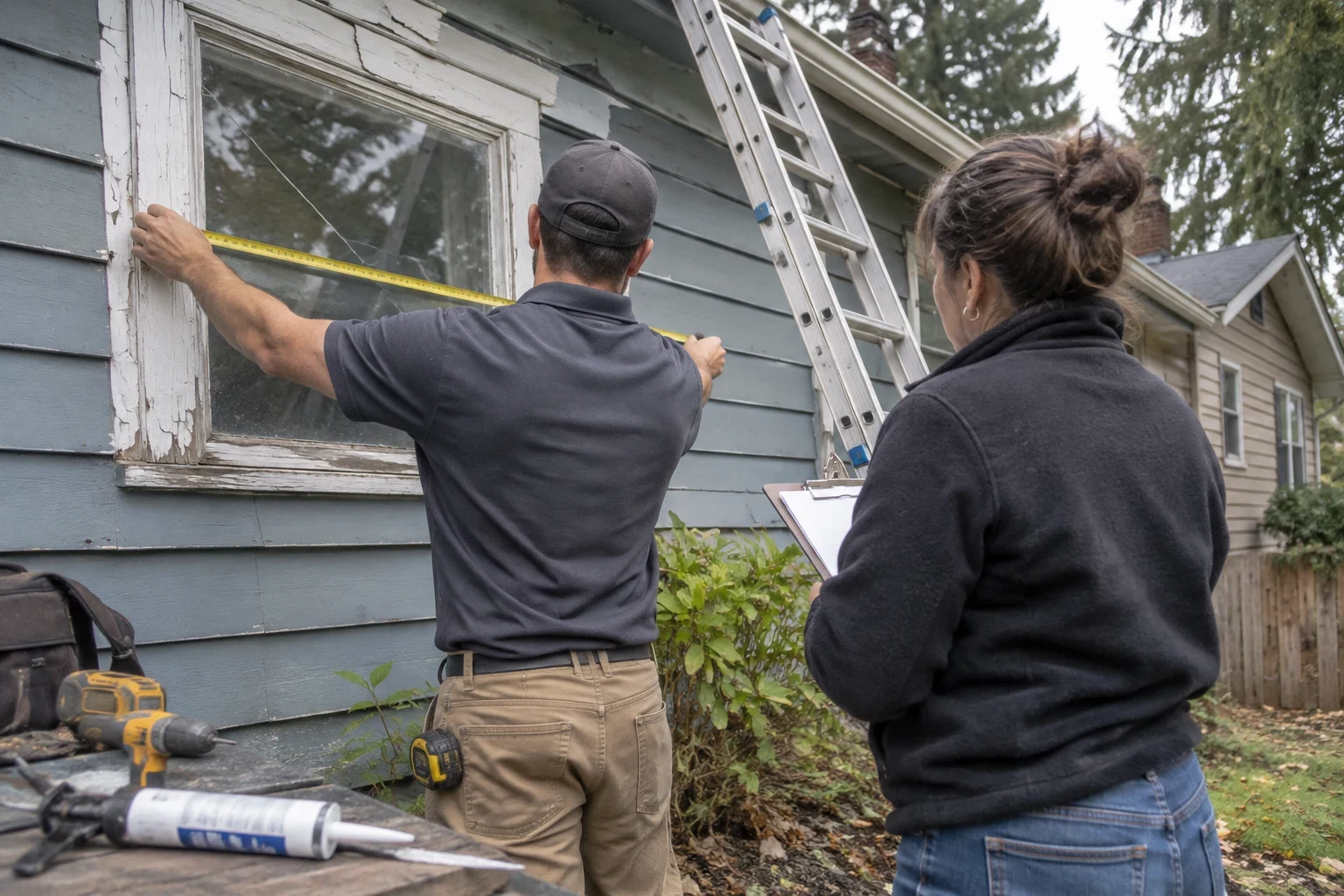
What a new entry door includes
- 01
Sizing the framed opening
Before ordering anything, we pull the interior trim back far enough to see the wall framing and check it for square and plumb. Older houses often lean a quarter inch or more out of true, so the door we order matches the space that is really there, not the size of the old slab.
- 02
Prehung door, frame and sill
Most replacements use a prehung door that comes in its own frame. The hinges, latch and threshold line up from the start, which is the surest way to stop drafts at the bottom corners.
- 03
Repairing rot under the threshold
With the old door out, we check the subfloor and framing beneath the sill. If we find soft wood, we show you, explain the repair and its cost, and only then fix it.
- 04
Sill pan and flashing
A sloped sill pan and flashing tape send any water that gets past the door back outside. Through long, wet winters, this hidden layer protects your home as much as the door itself does.
- 05
Hardware, insulation and trim
Once the unit is set, the gap between the new frame and your wall framing gets a low-expansion foam that will not bow the jambs. We install the lockset and deadbolt, then fine-tune the strike plate until the door latches with an easy push. Trim goes back on inside and out, so the entry looks finished rather than patched.
Questions about Entry Doors?
Call(206) 222-6377Signs your front door is ready to be replaced
Daylight or drafts at the edges
If you can see light around the door or feel cold air near the floor, the seal is gone. New weatherstripping helps only when the frame is still straight.
Sticking every winter
Wood doors swell in damp months and shrink in summer. A door you have to shoulder open each fall is often warped beyond planing.
Soft or dark wood at the jamb
The bottom of the jamb and the sill are where rot starts. Press with a screwdriver; if it sinks in, water has been getting behind the trim.
A lock you have to fight
When the deadbolt only turns if you lift or push the door, the frame has moved. That is a security problem as well as an annoyance.
Fogged glass or peeling skin
Cloudy glass between panes means a failed seal, and cracked or peeling door skins let moisture into the core. On some doors only the glass insert needs replacing, and we will tell you which.
How your entry door project runs
- 1
A free, no-pressure consultation
We come to your home, look at the door and frame, take measurements and talk through materials, glass and hardware. You get a written estimate with each part of the job on its own line.
- 2
Ordering and scheduling
Once you choose a door, we place the order. Lead time depends on the manufacturer and options, and your contact calls you when the door arrives to set an install day that suits you.
- 3
Install day
Drop cloths go down first, then the old door comes out and we check the framing before setting the sill pan and the new unit. Most installs wrap up in one visit, and nobody packs up until your home has a door that closes and locks.
- 4
Walkthrough and cleanup
We work the lock and latch with you, point out the threshold screws so you know where a small tweak would go down the road, then haul away the old door and sweep the entry clean.
What affects the price of an entry door
Two doors that look alike can be priced quite differently. Your estimate breaks out each part of the job so you can see where the money goes and choose what matters most to you. Flexible payment options are available, and we are happy to explain them on the phone.
- Door material
- Steel, fiberglass and solid wood each sit at different points on cost, upkeep and insulation. Fiberglass that looks like stained wood usually costs more than a smooth painted panel.
- Glass, sidelites and transoms
- Decorative or privacy glass adds to the price, and each sidelite or transom is another unit to build and install.
- Size and fit
- Standard sizes cost less than custom units. Openings that need to be resized take extra framing work.
- What is under the old door
- Rotted sill framing or subfloor is only visible once the old door comes out. If we find it, you see it and approve the repair before we go further.
- Hardware and finish
- Handlesets, smart locks and multipoint locks range widely. Factory finishing also costs more up front but saves you painting later.
Entry door questions we hear most
Should I choose fiberglass or steel?
Fiberglass resists dents, does not rust and holds up well to damp weather, and it can be made to look like wood. Steel is strong and usually costs less, but it shows dents and can rust where the paint is scratched. We bring samples to the consultation so you can see and feel both.
Can you replace just the door and keep my frame?
Sometimes. If your frame is square and the wood is solid, a slab-only replacement can work. In most homes we find the frame or sill has moved or softened, and a prehung unit seals far better. We will tell you honestly which fits your door.
How long will my home be without a front door?
Most installs are finished in a single day. We take out the old door only when the new one is on site and ready, and your home is secured with a locking door before we pack up.
Will a new door make my home more secure?
Usually, yes. A new frame lets us use longer screws into the wall framing at the hinges and strike plate, which is where most forced entries fail. A multipoint lock adds another layer if you want it.
Who do I call if something comes up after the install?
The same person who handled your estimate and install. Our workmanship is covered by a 10-year warranty, so if the door stops latching right or the threshold needs attention, one call gets it looked at.
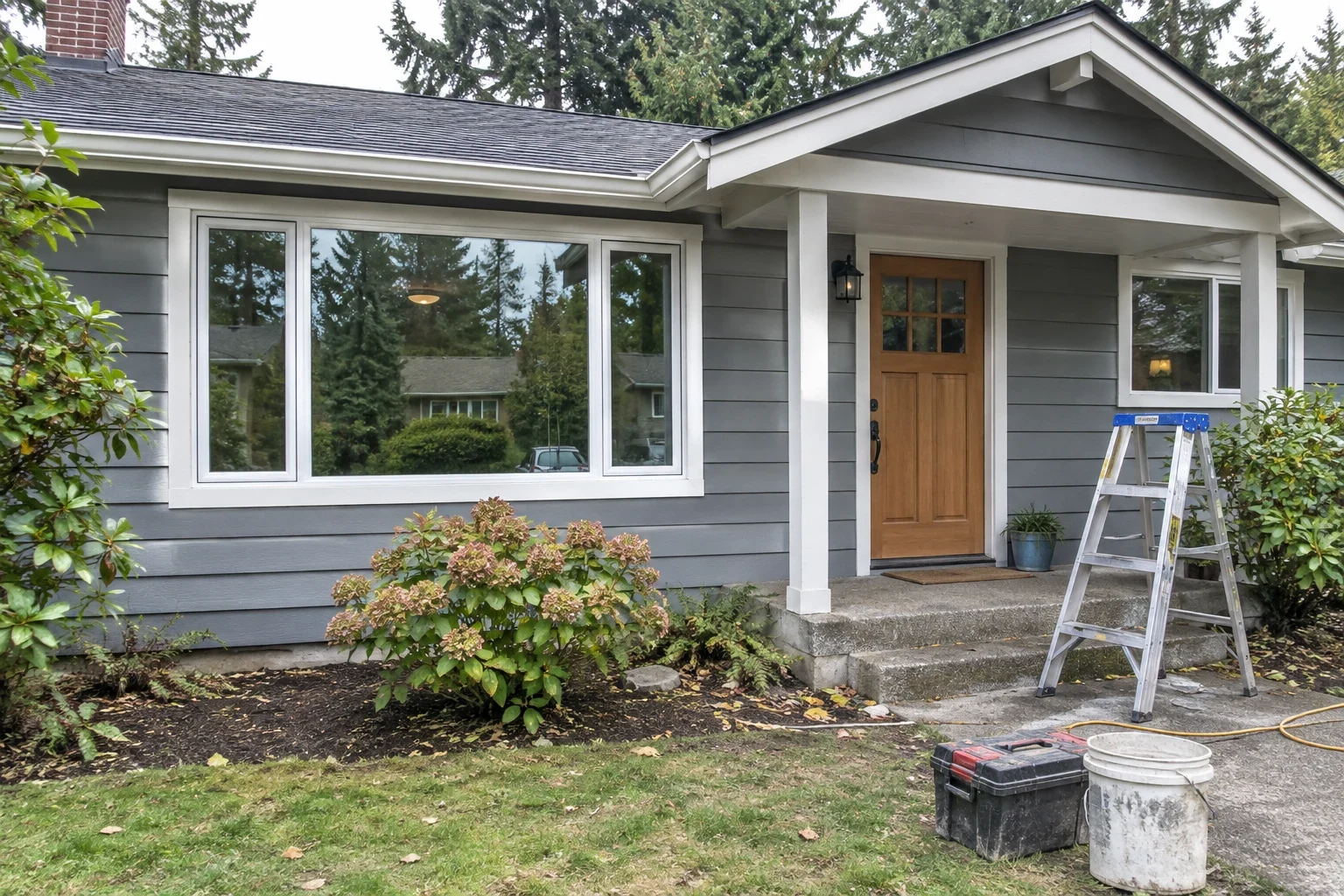
Tell us about the door giving you trouble
One call reaches the person who will measure, order and see your new door through to cleanup. We will talk through options and pricing with no pressure to decide.